Sofa cleaning Canbury Kingston town centre tips
Posted on 07/05/2026
Sofa cleaning Canbury Kingston town centre tips: a practical local guide for fresher upholstery
If your sofa is looking a bit tired, marked by day-to-day life, or carrying that faint "lived-in" smell that seems to appear out of nowhere, you are not alone. In Canbury and around Kingston town centre, sofas take a proper beating: muddy shoes by the door, takeaway crumbs, coffee spills, pet hair, damp weather, and the general pace of busy London living. That is exactly why Sofa cleaning Canbury Kingston town centre tips matters. Done well, sofa cleaning restores appearance, reduces allergens, helps fabrics last longer, and makes the whole room feel calmer. Done badly, it can leave water rings, lingering odours, or worse, fabric damage. This guide gives you the sort of grounded advice that helps you decide what to do yourself, what to leave to a professional, and how to avoid the usual pitfalls.
Why Sofa cleaning Canbury Kingston town centre tips Matters
Sofas are one of the hardest-working pieces of furniture in any home. People sit, lie, eat, scroll, nap, and occasionally spill things they swear were nowhere near the cushion. In a place like Canbury, close to Kingston town centre, that wear and tear can build up quickly because homes often juggle family life, commuting, visitors, and compact living spaces where the sofa is effectively the centre of everything.
Good sofa cleaning is not just about making upholstery look nicer for a weekend. It also helps with fabric care, hygiene, and indoor comfort. Dust, skin flakes, pet dander, crumbs, and drink marks can work their way into the fibres. Over time, that grime can make a room feel less fresh even if everything else is tidy. Truth be told, people often notice the sofa before they notice anything else.
Local conditions matter too. Kingston's damp spells, open windows in spring, and heavy foot traffic near the town centre can all affect how quickly upholstery gets dirty or holds onto odours. If you are also keeping up with general household upkeep, it can help to think of sofa cleaning as part of a wider routine alongside domestic cleaning in Kingston upon Thames or a more detailed deep cleaning service when the whole home needs a reset.
Expert summary: the best sofa cleaning plan is usually simple, timely, and fabric-aware. Start with the label, deal with spills early, test products first, and do not chase stains with more water than the fabric can handle.
How Sofa cleaning Canbury Kingston town centre tips Works
At its simplest, sofa cleaning is a process of removing loose dirt, lifting stains carefully, and refreshing the fabric without causing shrinkage, colour loss, or damage to the weave. The exact method depends on the upholstery material, the construction of the sofa, and how dirty it is. A velvet sofa, for example, needs a gentler touch than a synthetic family sofa that sees daily use.
Most cleaning approaches involve some combination of vacuuming, spot treatment, agitation, extraction, and drying. For many homes, a professional upholstery clean can be more effective because the right tools can reach deeper into the fibres while controlling moisture. If you want to understand the service in a broader context, it is worth looking at the site's dedicated upholstery cleaning in Kingston page and the wider services overview.
Here is the basic flow, whether you are doing a light refresh or preparing for a deeper clean:
- Identify the fabric type and care code.
- Vacuum the sofa thoroughly, including under cushions and along seams.
- Test any product on a hidden area first.
- Treat stains from the outside in, not the other way round.
- Use the least amount of moisture needed.
- Allow proper drying with ventilation, not just "a bit of air and hope".
That last bit matters more than people think. A sofa that still feels damp at the base or inside the arms can become musty, and nobody wants that faint wet-upholstery smell hanging around by teatime.
Key Benefits and Practical Advantages
A good sofa clean gives you more than a visual lift. It can change how the whole room feels. The benefits are practical, but also surprisingly emotional. You sit down and the room just feels looked after. A small thing, maybe, but a real one.
- Better appearance: removes everyday dullness, spot marks, and settled dust.
- Improved freshness: helps reduce odours from food, pets, and day-to-day use.
- Longer fabric life: grit trapped in fibres can act like sandpaper over time.
- More comfortable living space: a clean sofa changes the feel of the room instantly.
- Better support for allergy-conscious households: while not a medical treatment, regular cleaning can help reduce dust build-up.
- Stronger property presentation: useful before guests, viewings, or the end of a tenancy.
For tenants, landlords, and homeowners alike, the difference between "clean enough" and "properly cared for" is often the sofa. In fact, if you are already thinking about broader upkeep, the local guidance on end of tenancy cleaning in Kingston can be a useful companion read. Upholstery is one of those things that gets noticed quietly. Then all at once.
Who This Is For and When It Makes Sense
This advice is for anyone in Canbury, Kingston town centre, or nearby KT1 areas who wants a cleaner sofa without making expensive mistakes. That might be a busy family, a renter preparing for checkout, a homeowner dealing with a spilled drink, or someone who simply wants the living room to feel more inviting.
It makes particular sense if:
- you have children or pets
- your sofa is used every day, not just for guests
- you can see visible marks, body oils, or food spills
- the fabric has started to smell stale after winter or a damp spell
- you are moving home or preparing for visitors
- you are comparing DIY cleaning with a professional service
There is also a timing angle. Early spring is a sensible moment for a refresh, especially if you are already planning household jobs. A broader spring cleaning in Kingston upon Thames service can fit neatly around upholstery care, and for one-off jobs, a one-off cleaning visit may be the practical route.
Do you really need a full professional clean every time? Not always. Sometimes a careful home clean is enough. Sometimes the stain has already set, the fabric is delicate, or you simply do not want to gamble with it. That is where judgement matters.
Step-by-Step Guidance
Below is a practical way to approach sofa cleaning without overcomplicating things. Keep it calm. Rushing is where most mistakes begin.
1) Check the care label first
Look for the manufacturer's cleaning code or care instructions. This tells you whether the fabric is suitable for water-based cleaning, solvent-based cleaning, or only specialist treatment. If the label is missing, treat the sofa cautiously. Better to be slightly overcareful than to wreck a cushion seam because you were in a hurry. Happens more than people admit.
2) Vacuum properly, not just visibly
Use an upholstery attachment and work into seams, under cushions, along piping, and around arm rests. The point is not just to pick up crumbs. You are removing dry soil before any wet cleaning begins. If you skip this step, you can turn loose dirt into a muddy paste.
3) Identify the stains before treating them
Different stains need different handling. Food, drink, oils, ink, mud, and pet accidents each behave differently. A general cleaner might help with surface grime, but it is not a magic answer. Blot fresh spills with a clean white cloth. Do not scrub like you are trying to erase the stain from history.
4) Test cleaning products in a hidden area
Use the underside of a cushion flap or another discreet patch. Check for colour transfer, texture changes, or water marking after the test has dried. A product can look harmless at first and still leave a patchy finish once the fabric dries. Annoying, yes. Common, also yes.
5) Work lightly and in sections
Clean one small area at a time. Apply minimal product, agitate gently if needed, then remove residue carefully. Over-wetting is a classic mistake. So is trying to "really get stuck in". Sofas do not usually reward enthusiasm.
6) Dry the sofa thoroughly
Open windows where practical, use airflow, and avoid sitting on the sofa until it is properly dry. If cushions are removable, dry them separately and rotate them partway through. A fan can help. Direct heat, however, is not always wise unless you know the fabric can handle it.
7) Finish with a maintenance habit
Once the sofa is clean, protect the result. A weekly vacuum, prompt spill management, and occasional cushion rotation make a big difference. If your home needs a broader reset, it may be useful to combine this with house cleaning in Kingston upon Thames so the sofa does not become the only fresh thing in the room.
Expert Tips for Better Results
Small details matter. The difference between a decent clean and a really good one usually comes down to restraint, sequencing, and patience.
- Blot first, clean second. Rubbing often pushes the stain deeper.
- Use white cloths. Coloured cloths can transfer dye, especially on pale upholstery.
- Keep moisture controlled. More water does not mean more cleaning power.
- Be careful with steam. Some fabrics tolerate steam well, others absolutely do not.
- Watch the seams and stitching. These areas can trap residue and dry unevenly.
- Think about the room, not just the sofa. A clean carpet and fresh upholstery work better together; see the local carpet cleaning Kingston page if the flooring needs attention too.
A useful trick in a busy household is to keep a small "spill kit" nearby: a few white cloths, a gentle fabric-safe cleaner, and a spoon or dull edge for lifting solids. Sounds a bit fussy. It saves panic, which is worth its weight in tea towels.
If the sofa is in a family living room near the town centre, where shoes, bags, and shopping often get dumped beside it, set a habit of quick surface vacuuming every week. Five minutes. Maybe less. It prevents the slow build-up that makes deep cleaning harder later.
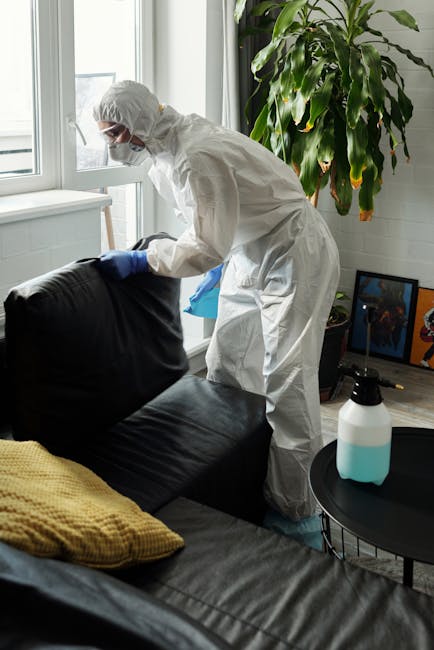
Common Mistakes to Avoid
Most sofa problems after cleaning are not caused by the cleaning idea itself. They come from the wrong method, the wrong product, or too much confidence on a Friday evening.
- Using one product for every fabric: a cleaner that works on microfibre may be wrong for velvet or wool blends.
- Scrubbing aggressively: this can rough up fibres and spread stains.
- Skipping the drying stage: damp cushions can smell stale and may attract re-soiling.
- Ignoring the label: the care code is there for a reason.
- Using too much detergent: residue can leave the fabric looking dull after it dries.
- Trying to remove old stains too quickly: some marks need staged treatment, not a one-pass miracle.
A surprisingly common issue is overconfidence with stain removers bought in a rush. The bottle promises a lot, of course it does. But if the sofa is delicate, even a decent product can still be a poor fit. That is why careful testing matters more than catchy packaging.
Another one: forgetting that humidity affects drying. In a closed flat on a wet Kingston day, upholstery may take longer to dry than you expect. If that happens, improve ventilation rather than adding more cleaner. People often do the second thing first.
Tools, Resources and Recommendations
You do not need a huge kit to maintain a sofa properly. In most homes, a small, sensible set of tools is enough.
| Tool or product | Best use | Practical note |
|---|---|---|
| Upholstery vacuum attachment | Routine dust and debris removal | Gentle on fabric, especially around seams and buttons |
| White microfibre cloths | Blotting spills and applying small amounts of cleaner | Use several so you can switch to a clean section quickly |
| Fabric-safe upholstery cleaner | General spot cleaning | Always test first; not every sofa likes the same formula |
| Soft brush | Lifting surface dirt on robust fabrics | Use light pressure, nothing harsh |
| Fan or open-window ventilation | Drying | Especially useful in cool or damp weather |
| Professional upholstery cleaning equipment | Deeper soil removal and refresh | Useful for larger sofas, settees, or sensitive stain cases |
If you are comparing services, start with the local pricing and quotes information and then look at how the business describes its approach. A clear, useful explanation is usually a good sign. The same goes for transparent insurance and safety information. Not glamorous, but reassuring.
For broader service context, it can also help to review the company's about us page and health and safety policy. These are the pages people often skip, then wish they had checked later. Funny how that happens.
Law, Compliance, Standards, or Best Practice
For most household sofa cleaning, there is no complex legal process to worry about. Still, there are sensible UK best practices worth following. If you are using a cleaning company, you want them to handle products responsibly, work safely, and treat your property with care. That is especially important in rental properties, managed homes, or shared buildings where communication and access matter.
From a practical standpoint, best practice includes:
- following manufacturer care instructions where available
- testing cleaning chemicals before use
- avoiding excessive moisture on upholstery
- keeping pathways clear to reduce trip hazards
- using suitable PPE and safe handling methods for stronger cleaning products
- making sure any service provider is appropriately insured
If you are a landlord, tenant, or property manager, upholstery care can intersect with other obligations around maintenance, handover condition, and general property standards. For a broader local perspective, the article on Kingston property legal requirements may be helpful. It is not a substitute for legal advice, obviously, but it can point you in the right direction.
If you are choosing a professional, a written terms page is worth checking too. You may not read every line with a cup of tea in hand, but at least you know where you stand. That matters.
Options, Methods, or Comparison Table
Choosing between DIY and professional sofa cleaning depends on fabric type, stain severity, time, and risk tolerance. Here is a straightforward comparison to help you weigh it up.
| Method | Best for | Pros | Watch-outs |
|---|---|---|---|
| Vacuuming and spot cleaning at home | Light dirt and fresh spills | Low cost, quick, good for maintenance | Not ideal for deep-set grime or delicate fabrics |
| DIY upholstery cleaner | Moderate marks on suitable fabrics | Flexible, affordable, useful for small areas | Risk of over-wetting or residue if used carelessly |
| Professional hot water extraction or specialist clean | Heavily used sofas, large marks, odours | Deeper clean, better equipment, more controlled results | Needs proper drying and the right fabric assessment |
| Preventive maintenance schedule | Busy households and rental properties | Protects the sofa long term, easier upkeep | Requires consistency, which life sometimes resists |
If you are trying to decide what makes sense for your home, think about the sofa itself, not just the stain in front of you. A one-off spill on a sturdy fabric may be manageable. A several-year-old sofa with faded arms, pet odours, and multiple marks is a different story. That is where professional help often becomes the sensible route.
Case Study or Real-World Example
Imagine a busy flat close to Kingston town centre. The sofa is light grey, which looked fantastic when it was new and slightly dramatic six months later. There is a coffee ring on one cushion, a faint patch from a sauce spill, and a general dullness where people always sit. Nothing catastrophic, just enough to make the room feel a bit off.
The owners start with a vacuum and check the care label. The fabric is safe for gentle wet cleaning, but not heavy saturation. They test a mild cleaner on the back of the sofa and blot the coffee stain rather than scrubbing it. The old sauce mark proves more stubborn, so they leave it after a light treatment instead of piling on more product. A fan runs for several hours. By evening, the sofa looks brighter, smells fresher, and feels less sticky to the touch.
What made the difference? Not a miracle product. Just sequence, patience, and not trying to win an argument with the fabric. If the marks had been older, or if the sofa had a delicate finish, a professional clean through a local service such as Kingston carpet cleaning KT1 would likely have been the better call.
It sounds simple because, well, it usually is when done properly. The hard part is resisting the urge to rush it.
Practical Checklist
Use this quick checklist before you start cleaning your sofa at home or booking a service.
- Check the upholstery care label.
- Identify the fabric type and any sensitive areas.
- Vacuum cushions, seams, arms, and under the seat.
- Blot fresh spills immediately with a clean white cloth.
- Test all products on a hidden area first.
- Use the least moisture needed to treat the stain.
- Avoid harsh scrubbing or coloured cloths.
- Allow enough drying time with good airflow.
- Rotate cushions after cleaning for even drying.
- Book a professional clean if the fabric is delicate or the stain is stubborn.
If your home is feeling generally overdue for attention, sofa care can be folded into a wider refresh. Local homeowners often combine it with regular domestic upkeep or a more structured deep clean, which just makes life easier, really.
Conclusion
The best Sofa cleaning Canbury Kingston town centre tips are not about buying the fanciest product or spending hours at it. They are about reading the fabric, acting quickly on spills, cleaning gently, and knowing when to stop and get help. For busy homes in and around Kingston town centre, that practical approach saves time, protects furniture, and keeps the living space feeling good to walk into at the end of the day.
If your sofa has stubborn stains, smells that will not shift, or fabric that makes you nervous to touch with anything wetter than a duster, a professional upholstery clean is often the calmest and safest next step. There is no prize for guessing wrong.
Get a free quote today and see how much you can save.
If you want to explore more local cleaning guidance, you can also browse the Kingston blog for related tips, or head to the request a quote page when you are ready. A cleaner sofa can genuinely change the feel of a room, and sometimes that small change lands exactly when you need it most.